

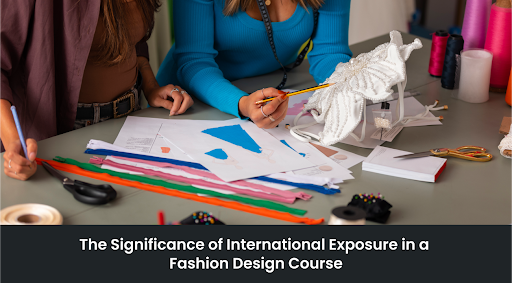
In this globalized world, an international exposure is a must for students opting for a career in fashion designing. Fashion designing courses offering credits in international exchange programs are the best ways to let the students experience fashion designing in different countries. Such a course can give the students a wider perspective of fashion all over the world and also enhance their skills and chances to achieve success in the competitive fashion industry.
Why International Exposure Matters in Fashion Design
When studying abroad students have the opportunity to learn diverse design aesthetics. By studying abroad or even collaborating with international designers those students are exposed to things they have never seen before, something else to possibly take a liking too or bring back to the states.
The global fashion market is a stage for global fashion students to showcase. Apparel is one of the biggest industries with estimated global value of 1.7 trillion dollars and keep rises every by every year. The market is increasing its volume with a high growth rate due the industry of global fashion is one of the main driver of economic growth of the textiles. By exposes with the international fashion industries, the smart student are equipped with basic skills to compete in the potential job market.
When students go for international fashion experiences, they have limitless networking opportunities. Connecting with established designers, industry professionals, and peers from other countries can lead to valuable internships, job opportunities, and even collaborations. According to the Council of International Educational Exchange, 63% of students who studied abroad secured employment within six months of graduation, compared to 48% of those who did not study abroad.
Benefits of International Exposure for Fashion Design Students
Increased creativity is another advantage of global exposure. Being in a diverse place will allow students to think outside of the box as they blend the best of multiple customs and manners. Kiarni Gunn, an International student in UK says, “By observing different styles and trends from around the world you will come to understand why fashion trends occur and why people dress the way they do.”
Resulting in that, unique designs are what they come up with leading to distinctiveness in the fashion market place. In addition to students creativity, understanding the global fashion trends is a must to be successful. In actual fact, different cultures, social ethics and finally the economics lie, vary in fashion thus it is easier for you to understand through Global perspective. A survey undertaken by McKinsey & Company shows that, 66% of fashion executives opine that knowing global consumer preferences is important to their business.
How Fashion Design Courses Incorporate International Exposure?
International internships can be a fantastic way of gaining hands-on experience with top global fashion brands or design studios. During internships abroad, students have the opportunity to gain practical learning experiences, specialise in an industry best practice as well as create an impressive portfolio of fashion work. In a study run by the Fashion Institute of Technology 72% of fashion design students that interned overseas were offered a job by the company that they interned with.
Another way of getting an international experience is to work with foreign designers and brands as part of fashion design courses. This may be in the form of joint projects, visiting lecturers or workshops introducing international expertise and alternative perspectives and technique. Parsons School of Design is an example of a college which has built partnerships with over thirty colleges world-wide allowing their student to collaborate over-seas.
Challenges and Solutions
Language barriers could be bypassed with the aid of language support and through fashion design, it isn’t too focused on words but it’s more visual which are both great ways to show what and how it’s done when language isn’t an option. Also, cultural differences could be bypassed because of orientation sessions, in other words providing support systems that could help them through the fashion design courses culture wise it would be greatly beneficial to them.
Conclusion
Experience abroad for potential fashion designers is a very powerful thing to add to there tool belts. International experience enables fashion designers to experience different aesthetics, learn global markets and create a global network of connections. Being well rounded in international markets will also give exposure that not many fashion designers will have. As the industry rapidly evolves becoming a fashion designer with international experience can only set you up for success. Going abroad for those who are passionate about fashion design is a hefty investment in their future, but a very smart one.